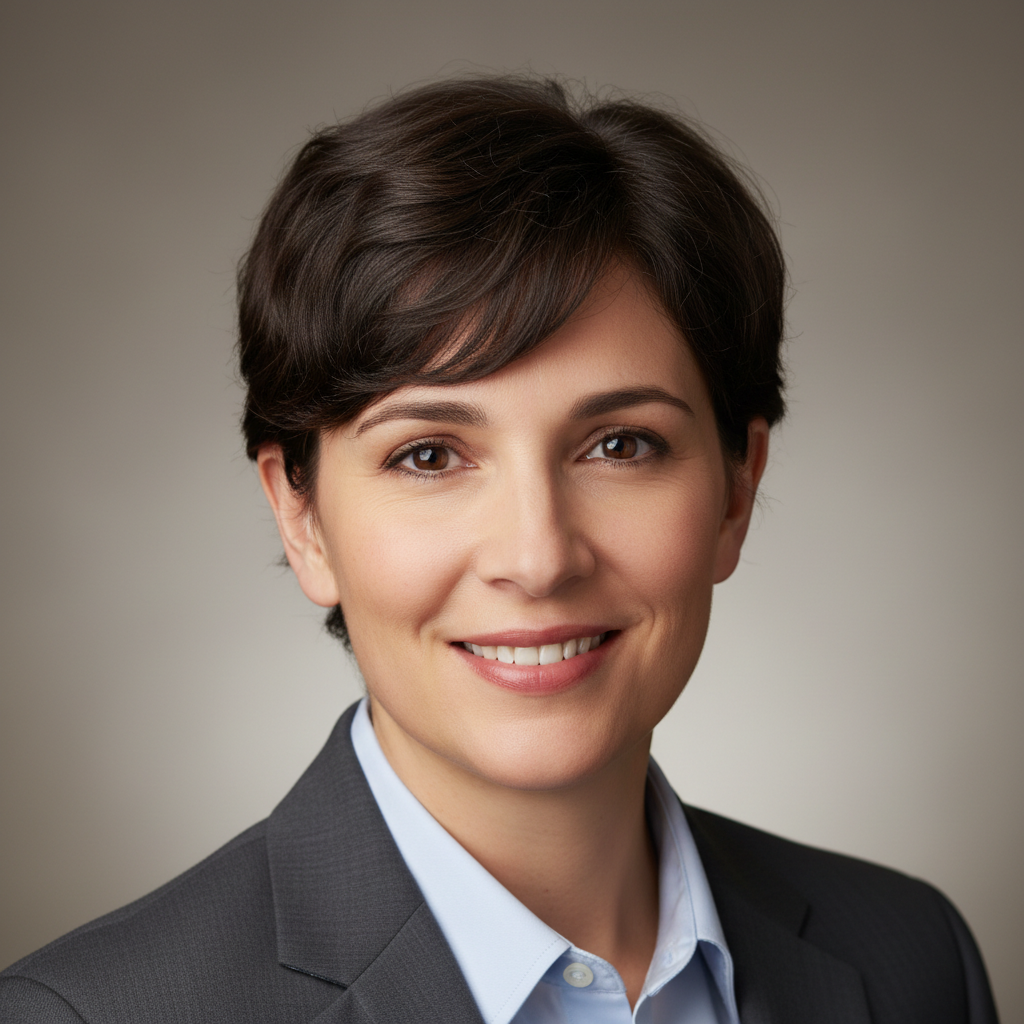
Julie Razafindranaly boosts padel in Miami
Julie Razafindranaly represents a career path that is becoming increasingly common in international padel: a solid tennis background, a later transition, and then a remarkably fast entry into a new discipline. The French player did not move into padel through a long-term master plan, but through a spontaneous invitation in Miami. This mix of coincidence, commitment, and competitive curiosity defines her trajectory so far. Today, she combines coaching, tournament play, and daily court work in one of the most dynamic padel hubs in the United States.
From college tennis to a new sporting chapter
Before focusing on padel, Razafindranaly was deeply involved in U.S. college sports. After ending her tennis career, she chose to continue her studies in Miami and competed for several years at a high level in NCAA Division 2. During that period, she collected titles, completed both a bachelor’s and a master’s degree, and built a professional training routine that structured her daily life. Still, the post-graduation phase remained open: while exploring career options in Miami, a new sporting opportunity emerged in parallel.
A friend suggested she join a padel tournament. Even though she had almost no experience in the sport at that point, she accepted. That decision marked the beginning of a rapid development. Within the first weeks, it became clear that she did not view padel as a casual hobby, but as a serious competitive project.
Rapid transition into competition and learning
Her first contact with padel came in spring 2024. What many former tennis players experience as a long adaptation period happened much more directly for her. After only a few sessions, she was already competing in a tournament at Padel X, one of Miami’s best-known clubs. This early move into competition was not symbolic; it was a practical benchmark. It showed how well her tennis fundamentals could transfer to a smaller court, glass rebounds, and positional team play.
At the same time, she quickly understood that padel, despite technical overlaps with tennis, has its own tactical language. Angles, rhythm changes, defensive patience, and point construction off the walls require different decisions than on a tennis court. Razafindranaly recognized those differences early and adjusted her training accordingly. This learning mindset is central in modern padel, where raw power alone has limited impact without tactical awareness.
Physical strengths as an accelerator
From her tennis background, she brought explosiveness and physical stability. These qualities helped particularly in the early phase, especially on high balls and attacking finishes. In an environment where many players are still building defensive consistency, a clear athletic edge can be decisive. Even so, her focus did not stay on single weapons; she worked toward a complete profile based on positioning, net control, and ball management under pressure.
Observers in the scene identified her potential early, including Nallé Grinda, a key figure in the development of padel in the United States. Feedback like this matters in a growth phase because it helps channel talent into the right training and tournament structures faster.
Miami as a development engine for U.S. padel
The fact that this development is happening in Miami is no coincidence. The city is one of North America’s most active padel markets, combining an international community, strong club investment, and year-round playing conditions. With venues such as Padel X and the large Ultra Padel complex, players can train in an ecosystem where beginners, ambitious amateurs, and high-level competitors coexist. For players like Razafindranaly, this means frequent matches, short pathways, and constant exposure to varied styles.
Alongside her own tournament schedule, she began coaching quickly. This dual role is especially relevant in an emerging U.S. market because it links personal performance growth with knowledge transfer. Active competitors can bring current match scenarios directly into practice sessions. In return, coaching sharpens attention to technical details, timing, and decision-making patterns.
Impact on women’s padel
A central part of her work concerns women’s padel, which is currently expanding visibly in the U.S. More tournaments, broader entry lists, and better club structures create new access points for players from different sporting backgrounds. Profiles like Razafindranaly’s act as connectors in this context: they show that moving from another racket sport is realistic when training quality, competition opportunities, and local infrastructure align.
- Early competitive exposure accelerates tactical adaptation.
- Tennis-based athleticism helps, but must be adapted to padel specifics.
- Miami’s club network shortens the path to regular competitive level.
- Coaching and personal performance development can reinforce each other.
International outlook and next step
With growing tournament experience, Razafindranaly is naturally moving toward more international competition. For U.S.-based players in particular, international exposure remains essential because the density of experienced pairs and established match routines is still higher abroad. Long-term progress therefore requires not only strong isolated results, but consistency across different tournament environments.
Her path so far shows how quickly careers can shift in padel when location, motivation, and training quality come together. A spontaneous tournament entry evolved into a structured professional routine balancing coaching and competition. In that sense, Razafindranaly represents a new generation of players who are not just participating in U.S. padel growth, but actively shaping it.